Posted by Sultan Khan | Aleesha Gohil on 13th May 2026
Bathroom Wall Panel Ideas | 2026
Bathroom wall panels go in more places than the product photos suggest. Below we cover waterproof PVC for the wet zones, MDF panelling kits for the dry walls, and decorative slat, fluted and 3D panels for accents.
Browse Bathroom Wall PanelsTerminology note: In the UK, bathroom cladding and bathroom wall panels mean the same thing. The terms are used interchangeably across the trade and across this guide.
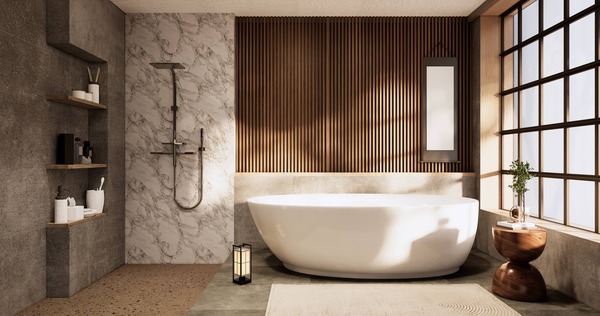
PVC vs MDF Bathroom Panels
PVC wall panels are fully waterproof. MDF wall panelling is not. The two can be used together in one bathroom, each in its own zone.
PVC handles the wet zones. MDF handles the dry walls.
Where to install PVC
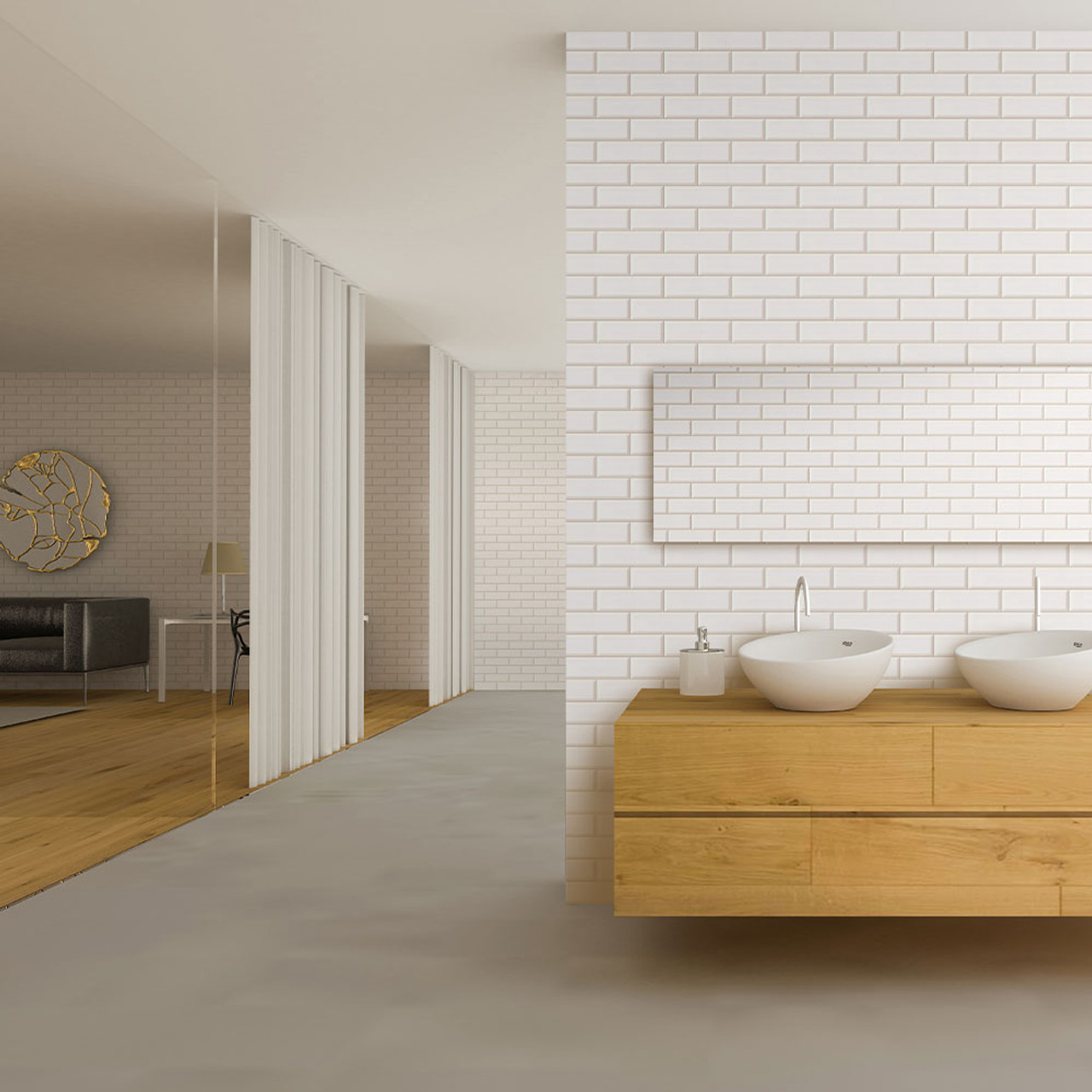
Inside the shower enclosure, the splashback around the basin, and the wall above the bath if your taps spray that direction. Available in 5mm, 8mm and 10mm thicknesses, with tile-effect, marble-effect, stone, brick, plain gloss, plain matt and wood-effect finishes.
Where to install MDF
Everywhere else. Half-panelling at dado height, tongue and groove around the WC and basin, shaker-style panelling under a window, feature walls out of the splash zone. MDF paints properly and gives a room a joinery feel.
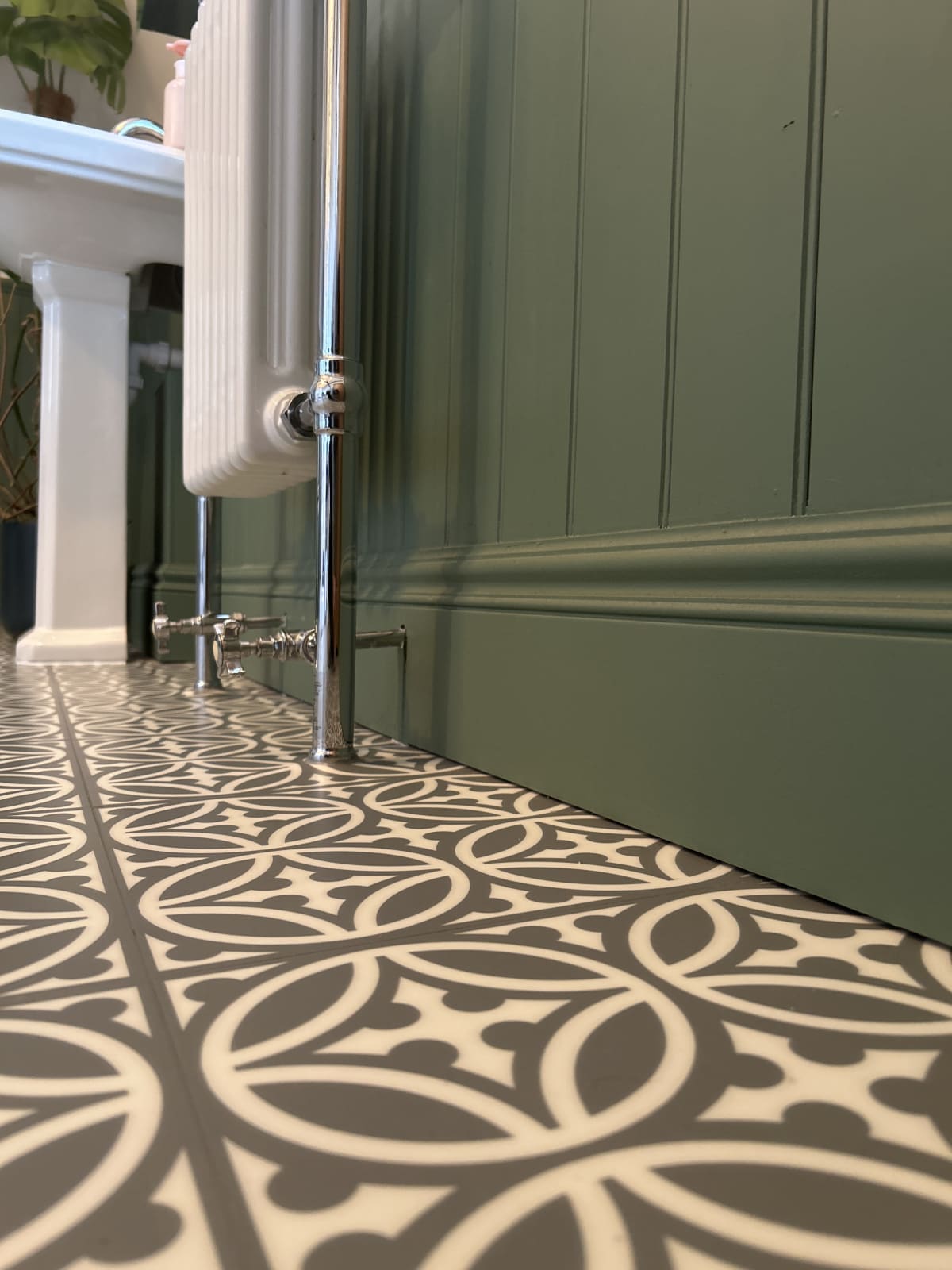
Shower wall and splashback ideas
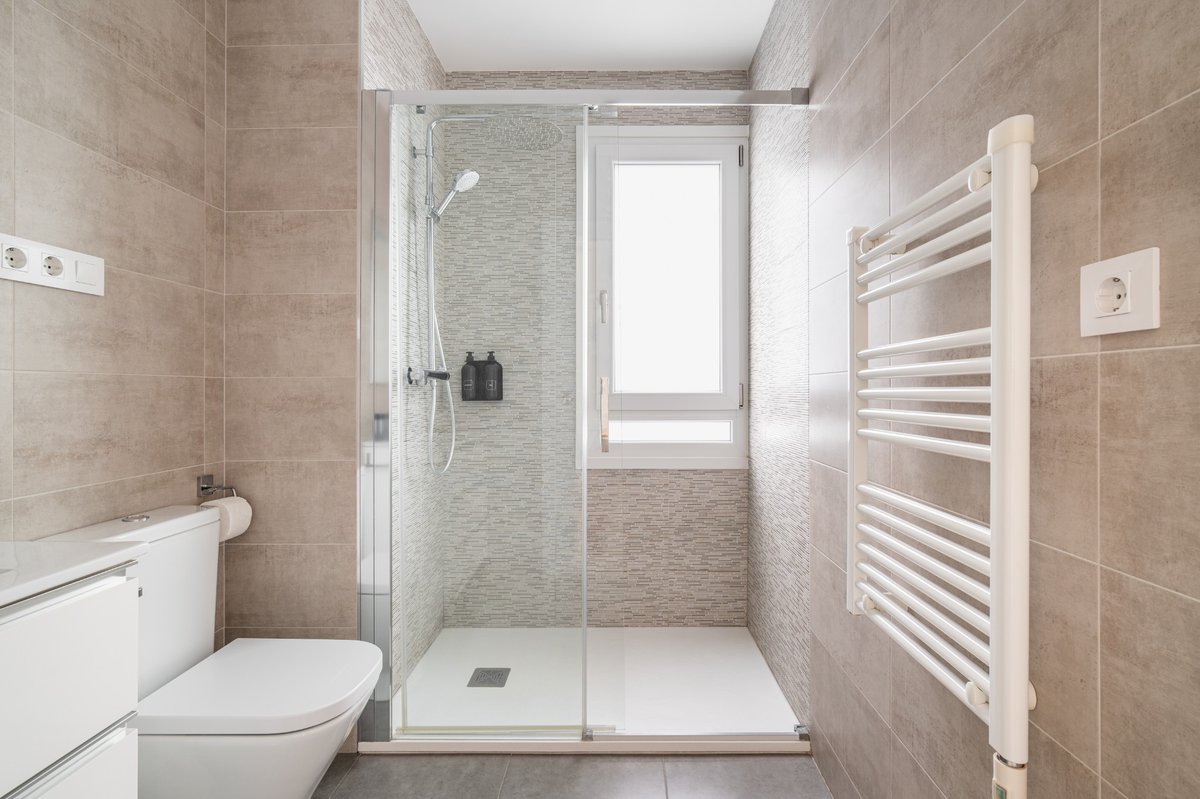
Inside the shower enclosure the only sensible choice is fully waterproof PVC. We stock 8mm panels for general wet-area walls and 10mm wet wall panels for shower walls themselves. Both join with corner trims and end caps to give a continuous, grout-free surface that wipes clean.
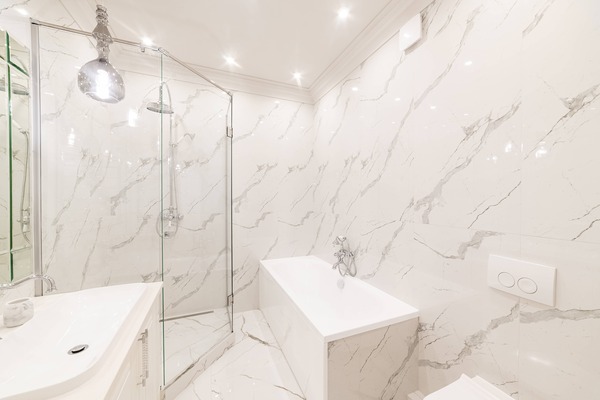
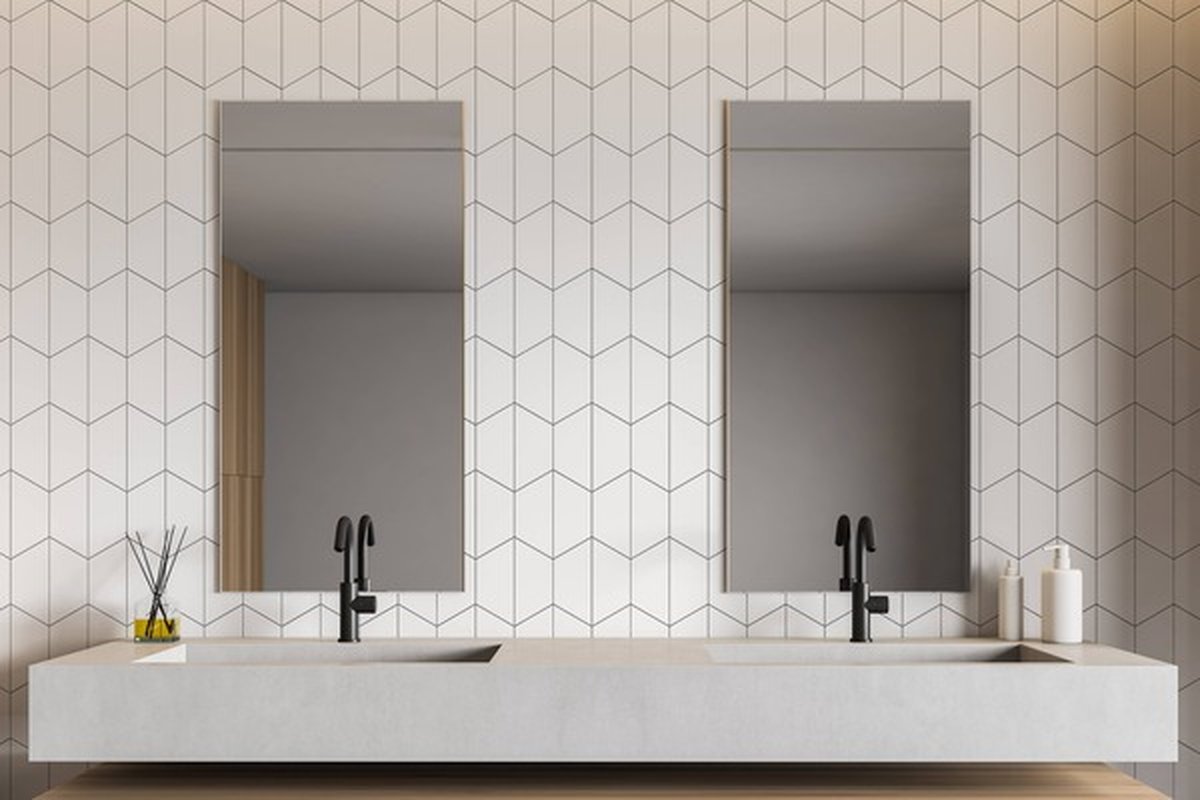
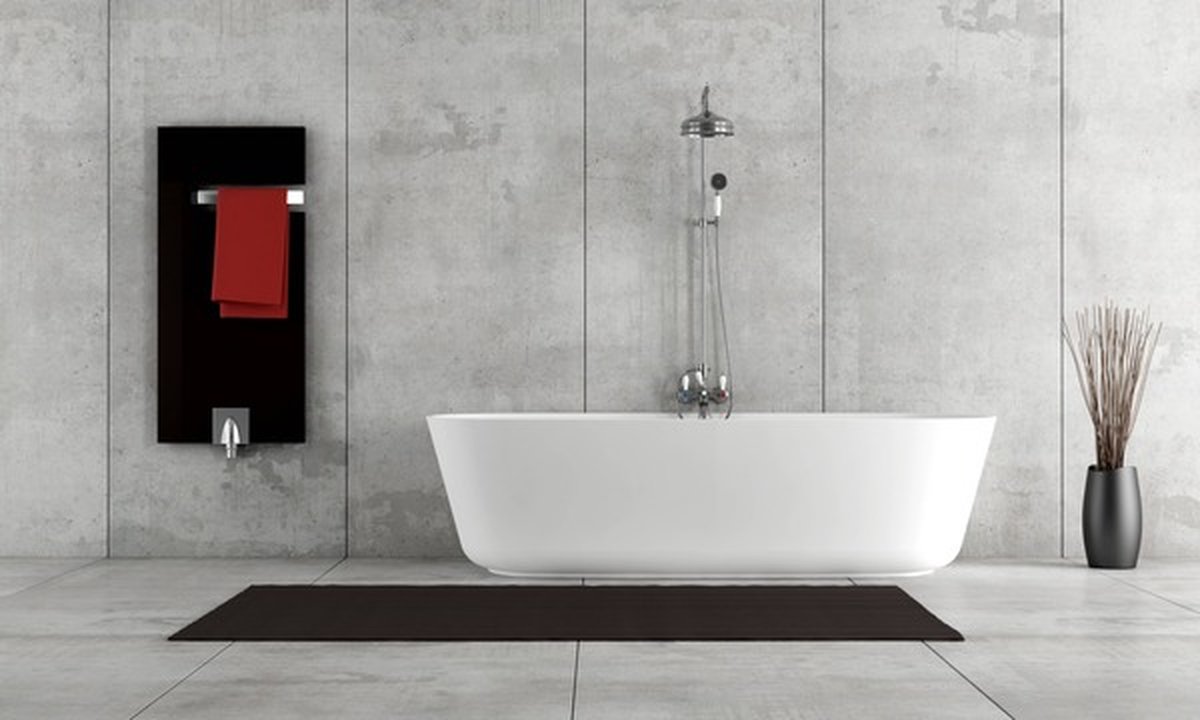
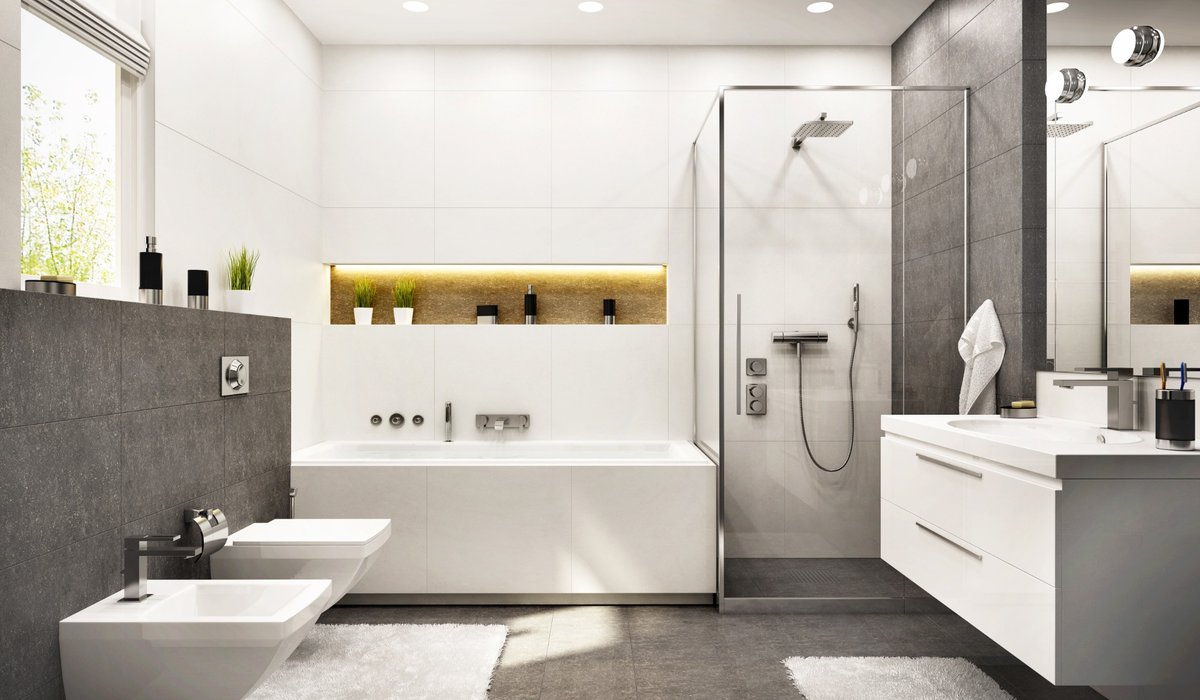
For installation, our how to fit bathroom wall panels guide covers cuts, adhesive choice and trim sequence. A small shower is realistically a weekend DIY job.
Panelling around the bath
The wall directly behind a bath is the second-most splashed surface in any bathroom. Whether it needs to be fully waterproof depends on the bath, the showerhead and how high you panel. Two common situations below:
1. Above a shower-over-bath
If you take showers in the bath, the wall treatment is the same as a shower enclosure: PVC up to head height as a minimum, finished at the top edge with a corner trim or end cap to seal it.
Marble-effect and plain gloss are the most common choices.

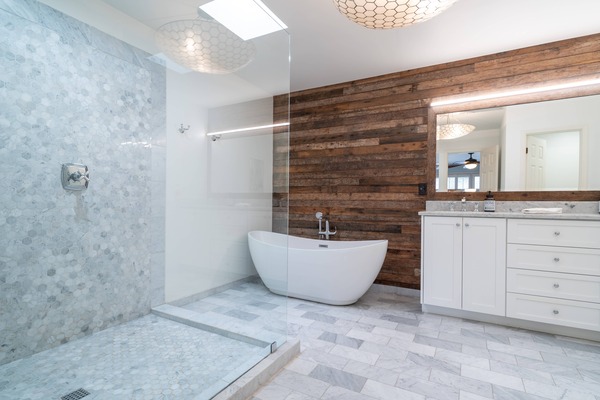
2. Around a freestanding or roll-top bath
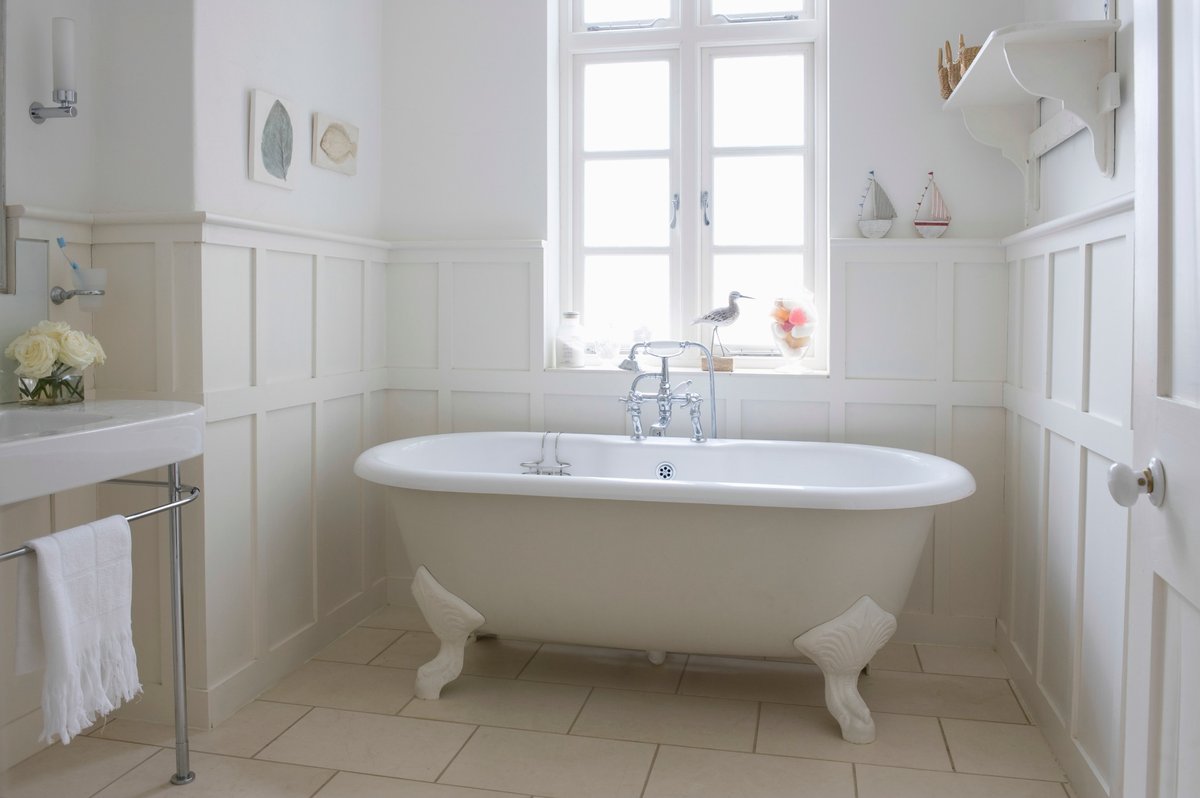
Freestanding baths sit out from the wall, so the wall behind sees splashes but not direct spray. Painted MDF half-panelling works well here: tongue and groove in heritage colours, or shaker in white.
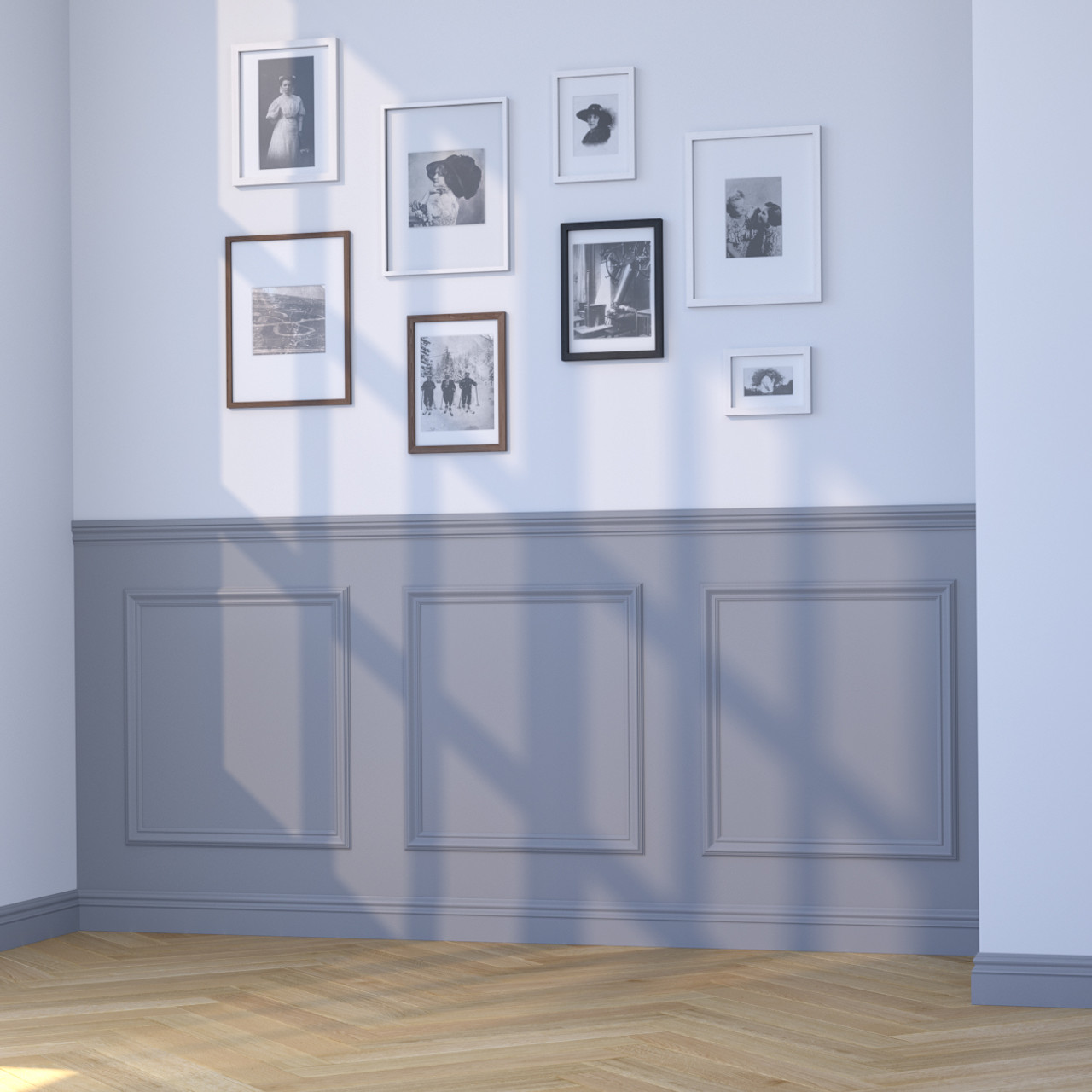
Our Florence Classic Half Wall Panelling Kit sits at this height.
Half-height and dado-height panelling (MDF)
On the dry walls of a bathroom (behind the WC, behind the basin, opposite the bath, around a window), MDF panelling kits are the right material. They paint properly, take heritage colours and carry the design language of your bathroom.
Standard heights for bathroom panelling:
- Dado height (~1100mm): traditional half-panelled look, suits period properties
- Three-quarter height (~1500mm): more contemporary balance
- Full height: used for one feature wall in modern bathrooms
Featured MDF panelling kits
Four kit styles are most useful in bathrooms. All four arrive pre-prepared with all components and instructions, ready for on-site cutting and mitring.



For working out exactly how many PVC panels you need, our wall panelling calculator handles the maths, and our board and batten calculator covers vertical batten spacing.
Feature walls and decorative panels
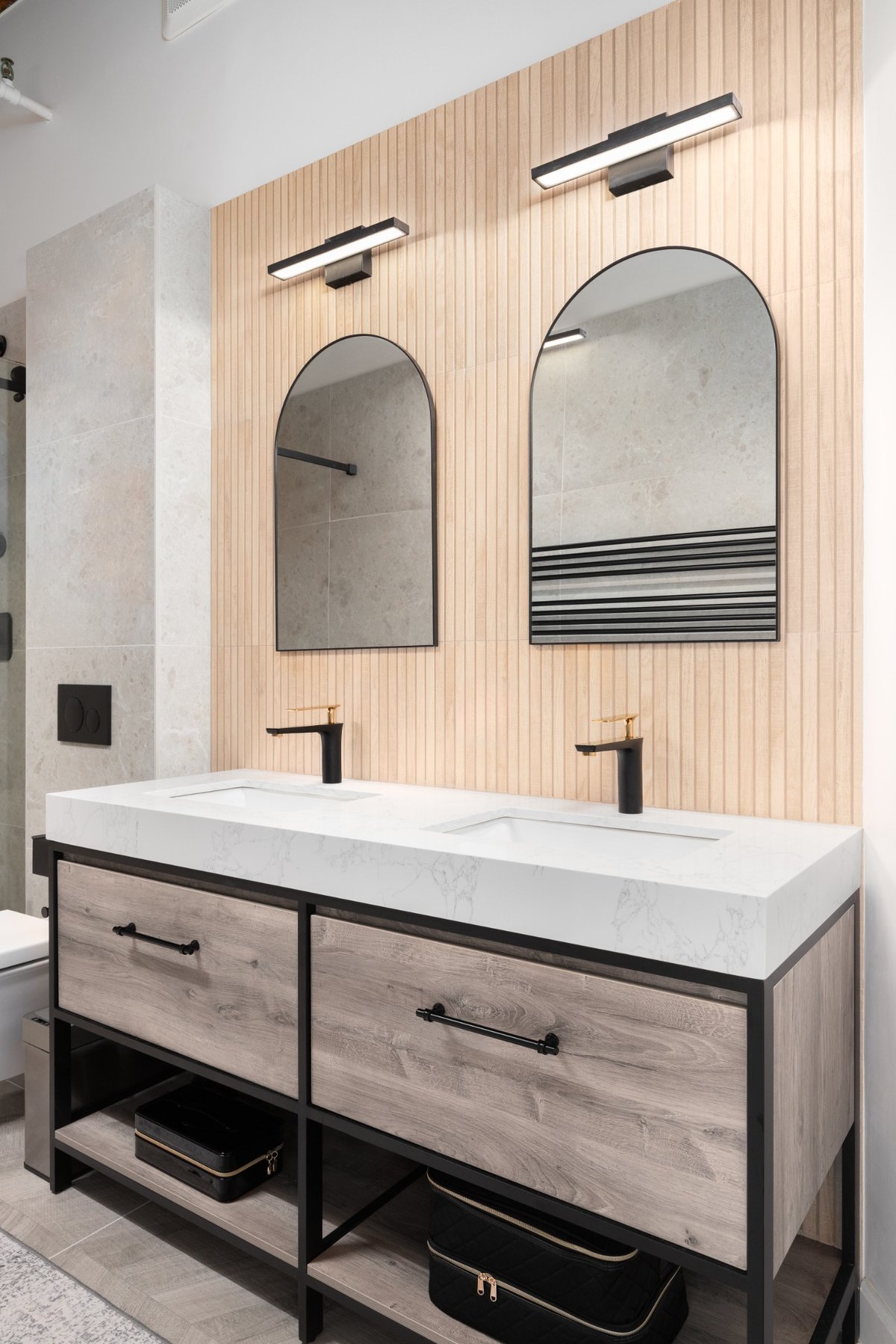
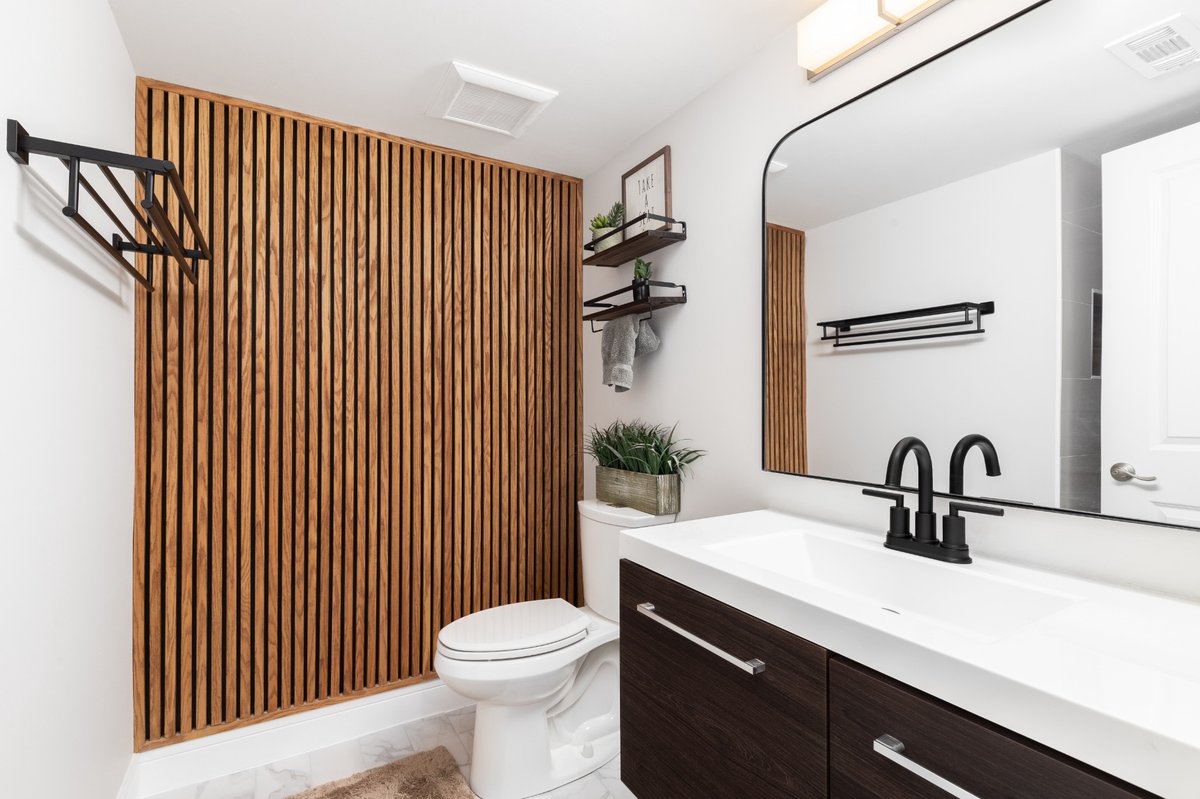
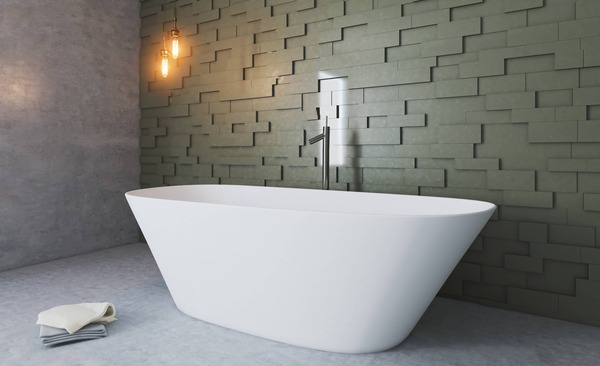
Outside the main panelling styles, a layer of decorative panels is designed to do one specific job in one spot. None of these are full-bathroom solutions: they are accents, used on one wall while the others stay plain.
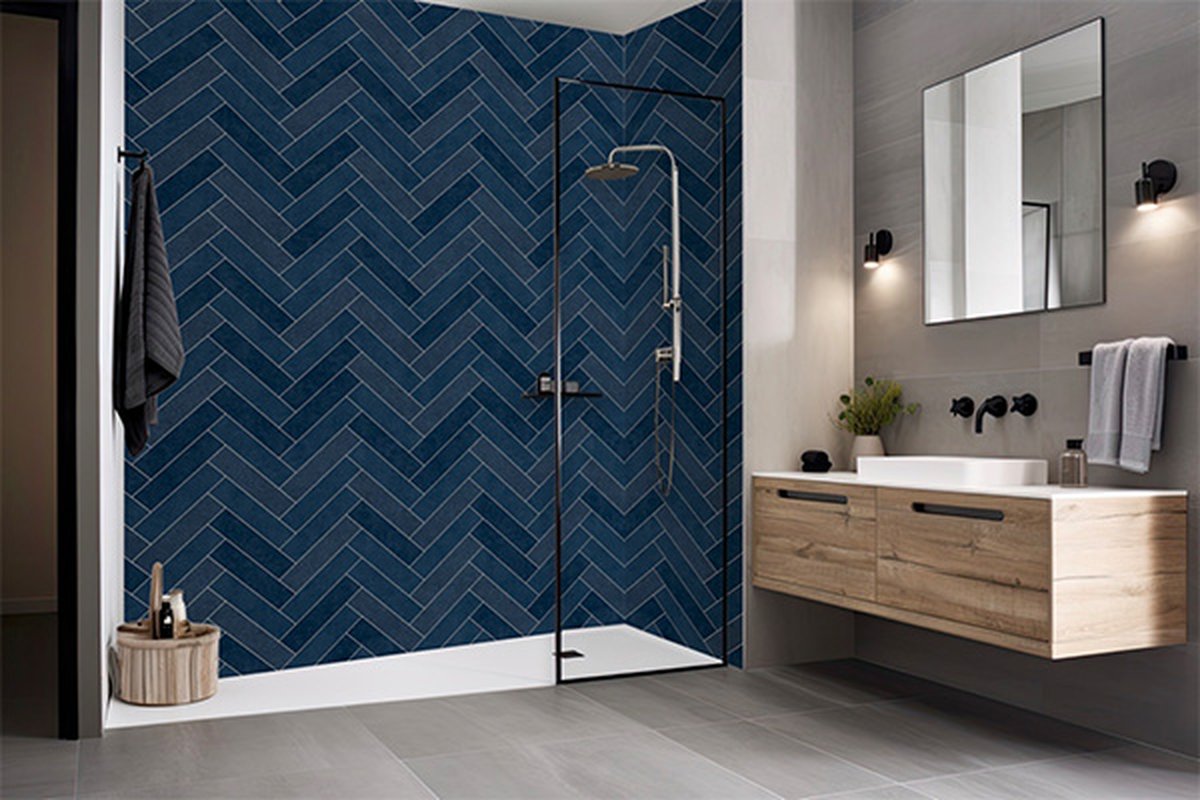
Herringbone PVC
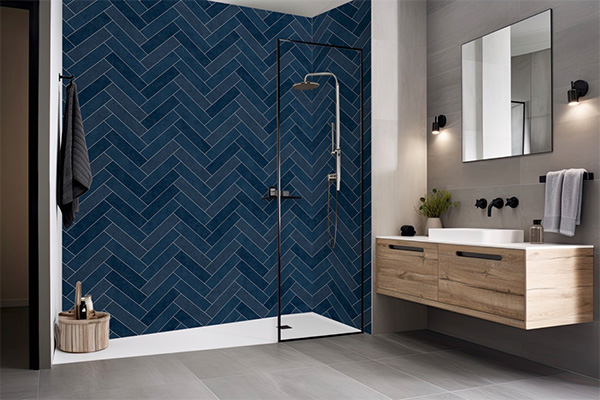
A bold floor-to-ceiling decorative finish, like parquet flooring turned vertical. Use on one wall only, with plain panelling or paint on the others.
Strong character: commit to it or leave it.
Colour and finish choices
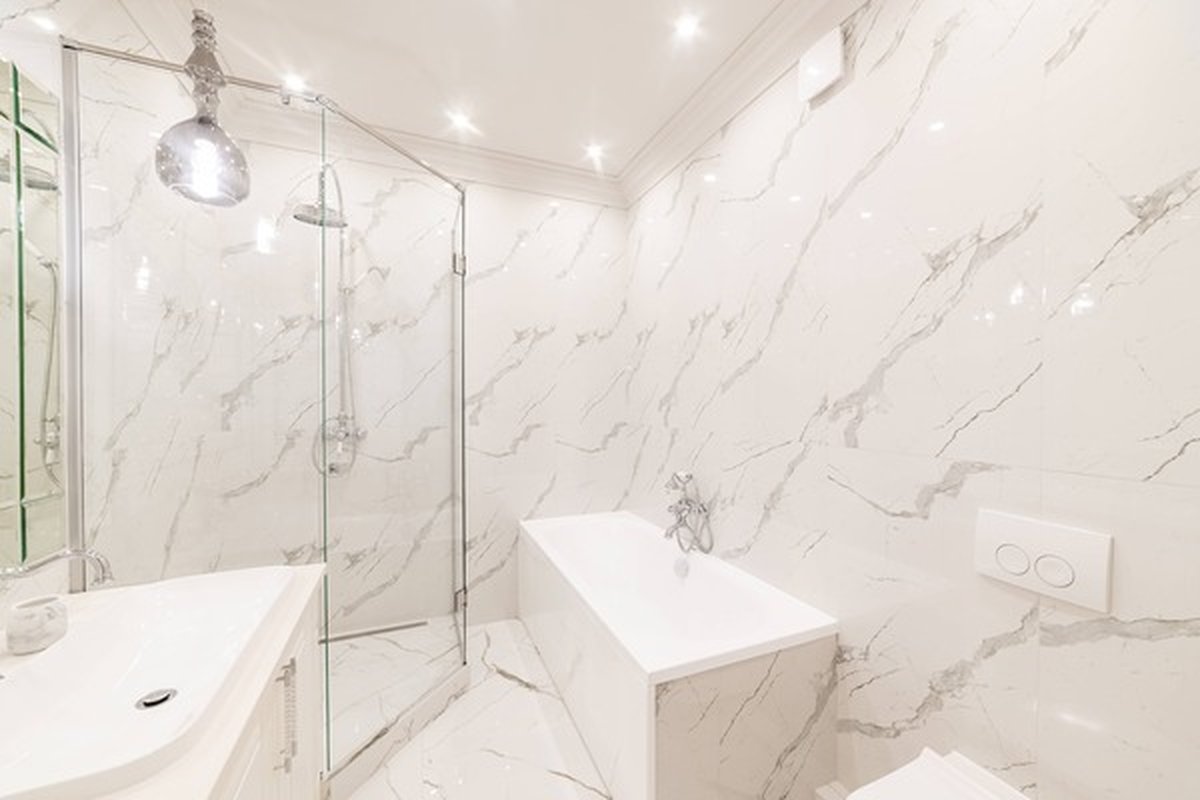

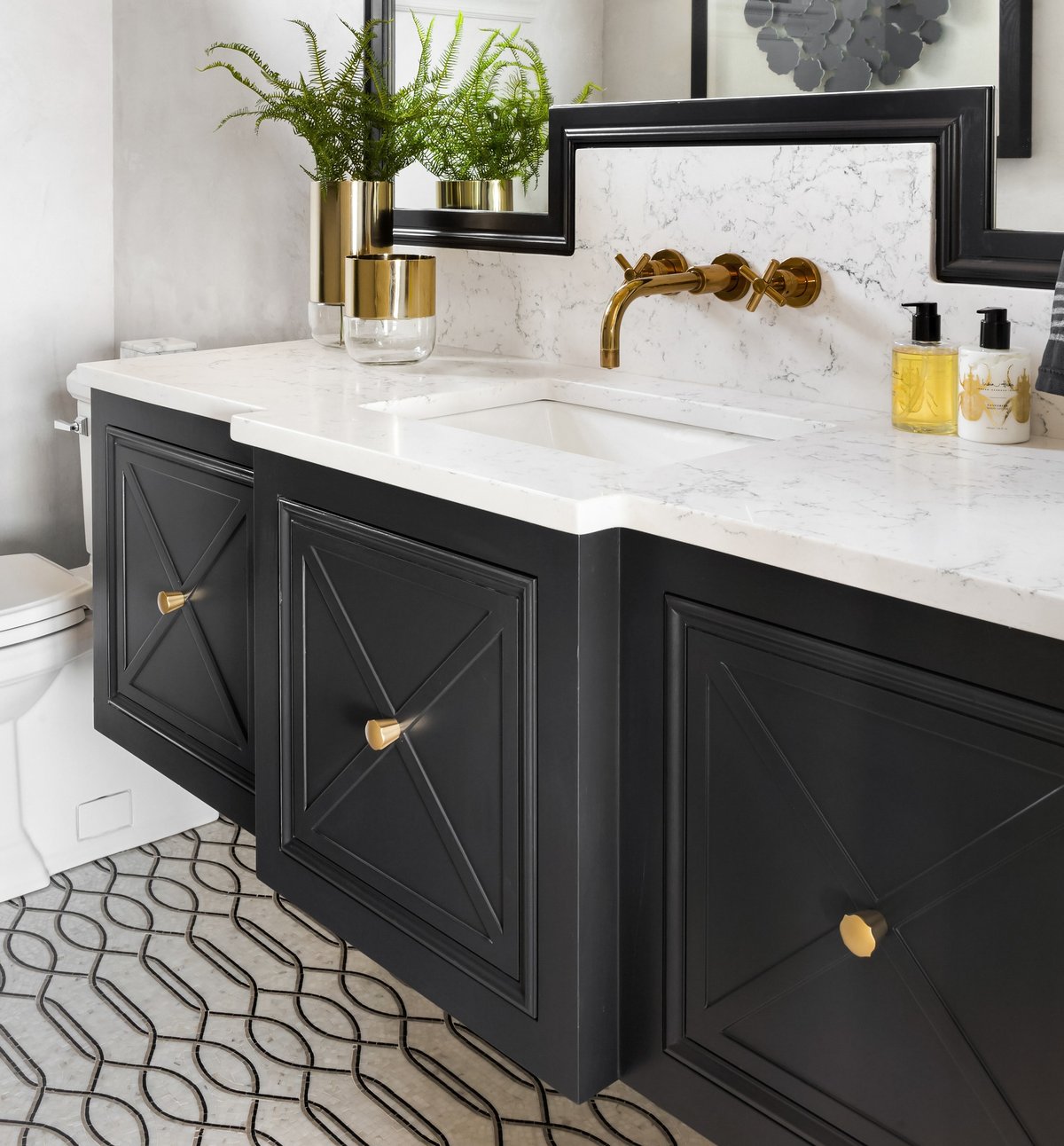
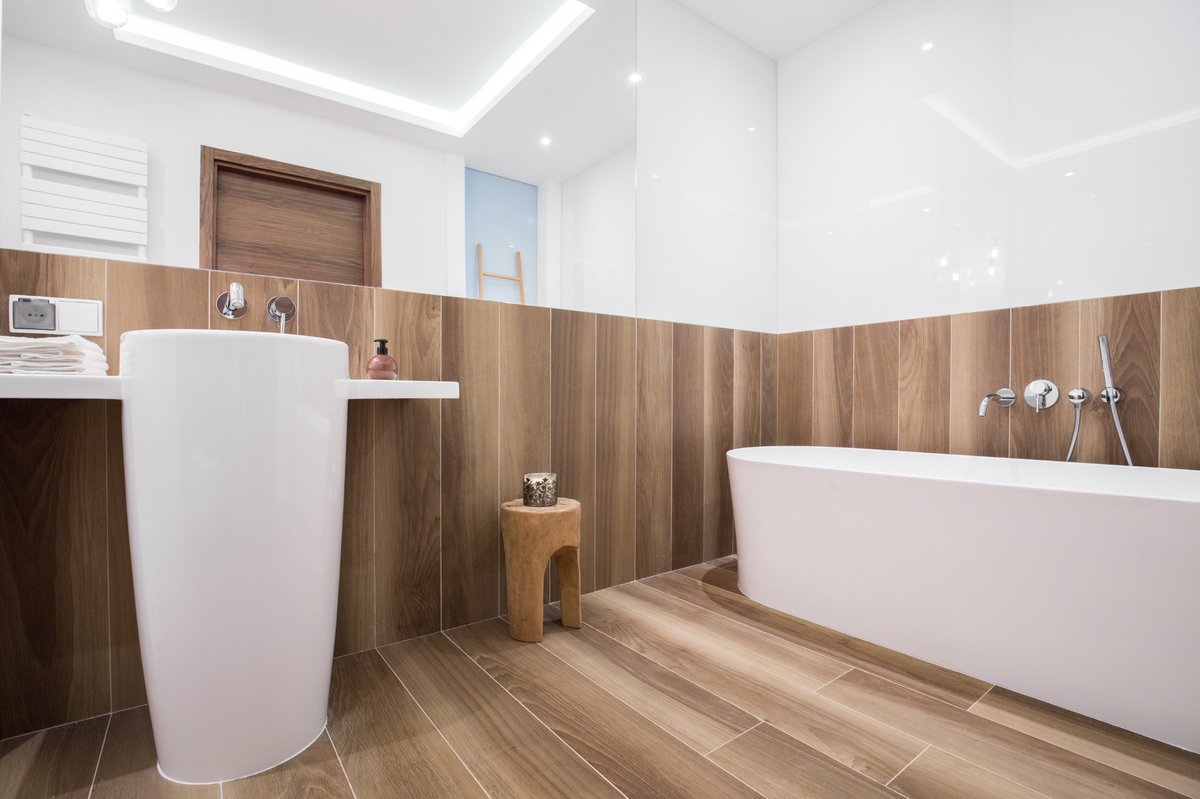

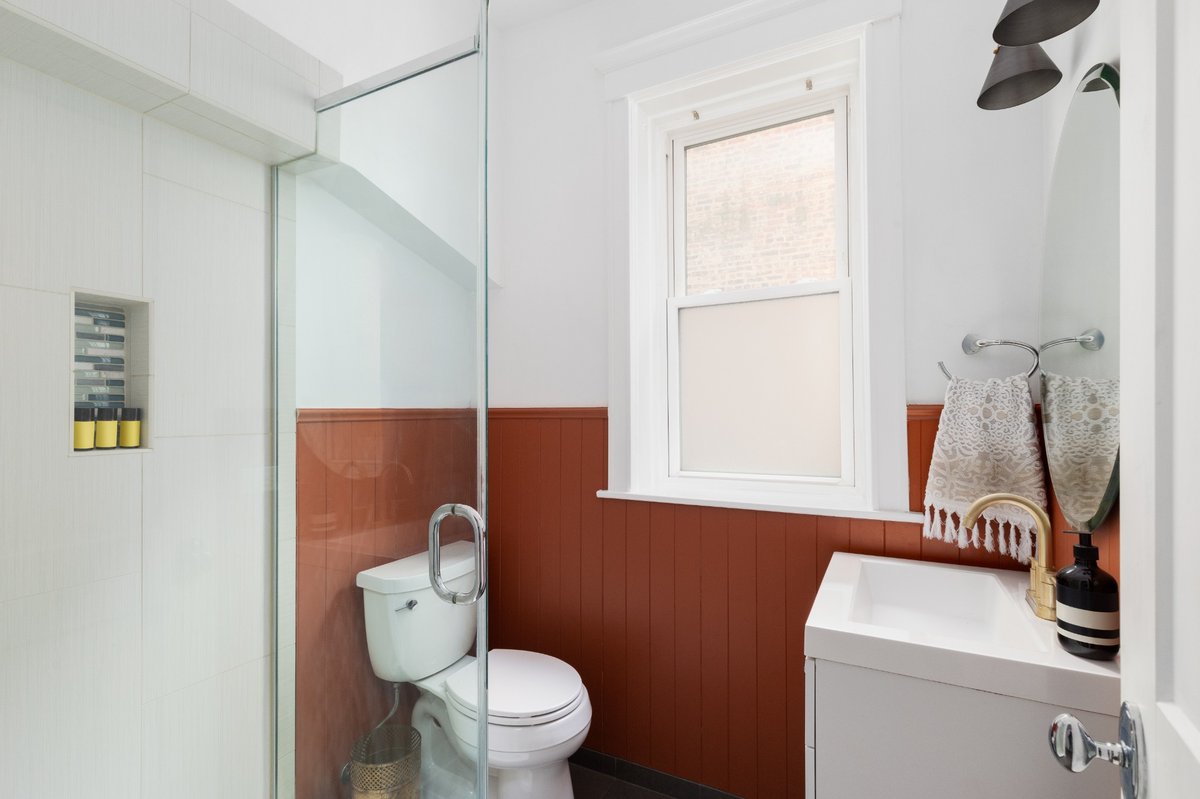
Orientation and finish rules of thumb:
Vertical panels make a standard-height ceiling feel taller. Horizontal panels widen narrow bathrooms but need enough room width to work. Matt finishes work in any light; gloss bounces light around but shows water marks more.

Interior Design Specialist
"I think bathroom wall panels work best when they're considered as part of the overall atmosphere of the room, not just a practical surface choice. I'm particularly drawn to warm stone-effect or soft neutral panels paired with natural materials like timber or brushed brass, as they can make a bathroom feel much more spa-like and considered. In smaller bathrooms, I like using larger-format panels or carrying one finish across multiple surfaces, as it creates a more seamless and spacious feel. During university projects, I was often surprised how much changing a material from a cool marble look to a warmer toned panel could completely shift the mood of a concept. I also think lighting is often overlooked - glossy finishes can reflect light beautifully, while matte or textured panels add softness and depth. For me, the best bathroom panelling doesn't just perform well, it helps shape the whole experience of the space."
Ideas for small bathrooms
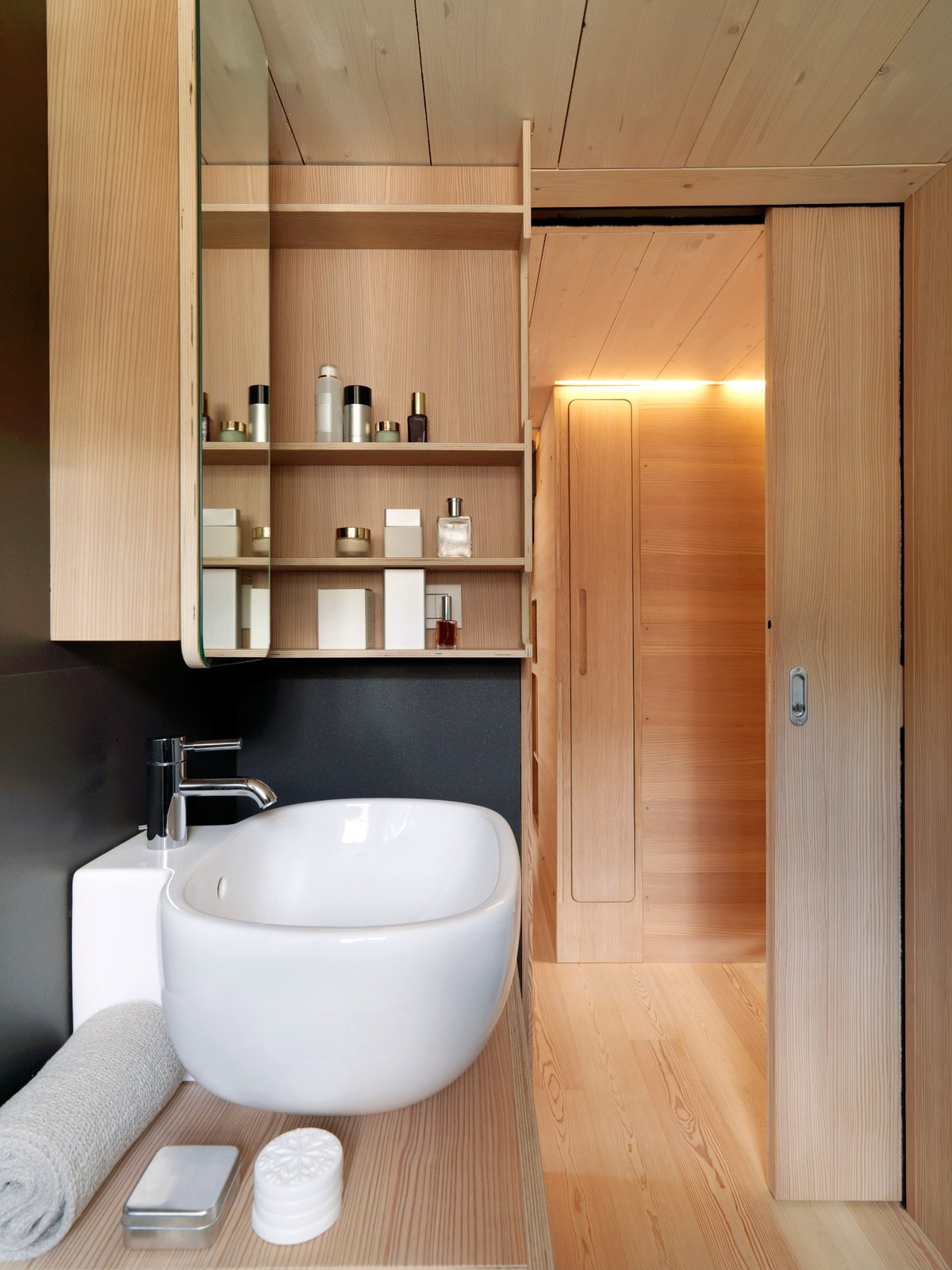
Small bathrooms benefit from three specific moves:
- Lighter finishes (white, light grey, light marble)
- Vertical panel orientation to lift the ceiling
- Half-height rather than full-height panelling
Avoid heavily textured panels like 3D and oversized stone-effect; they look proportionate in larger rooms and cramped in small ones. Our small bathroom wall panelling guide covers the specifics.
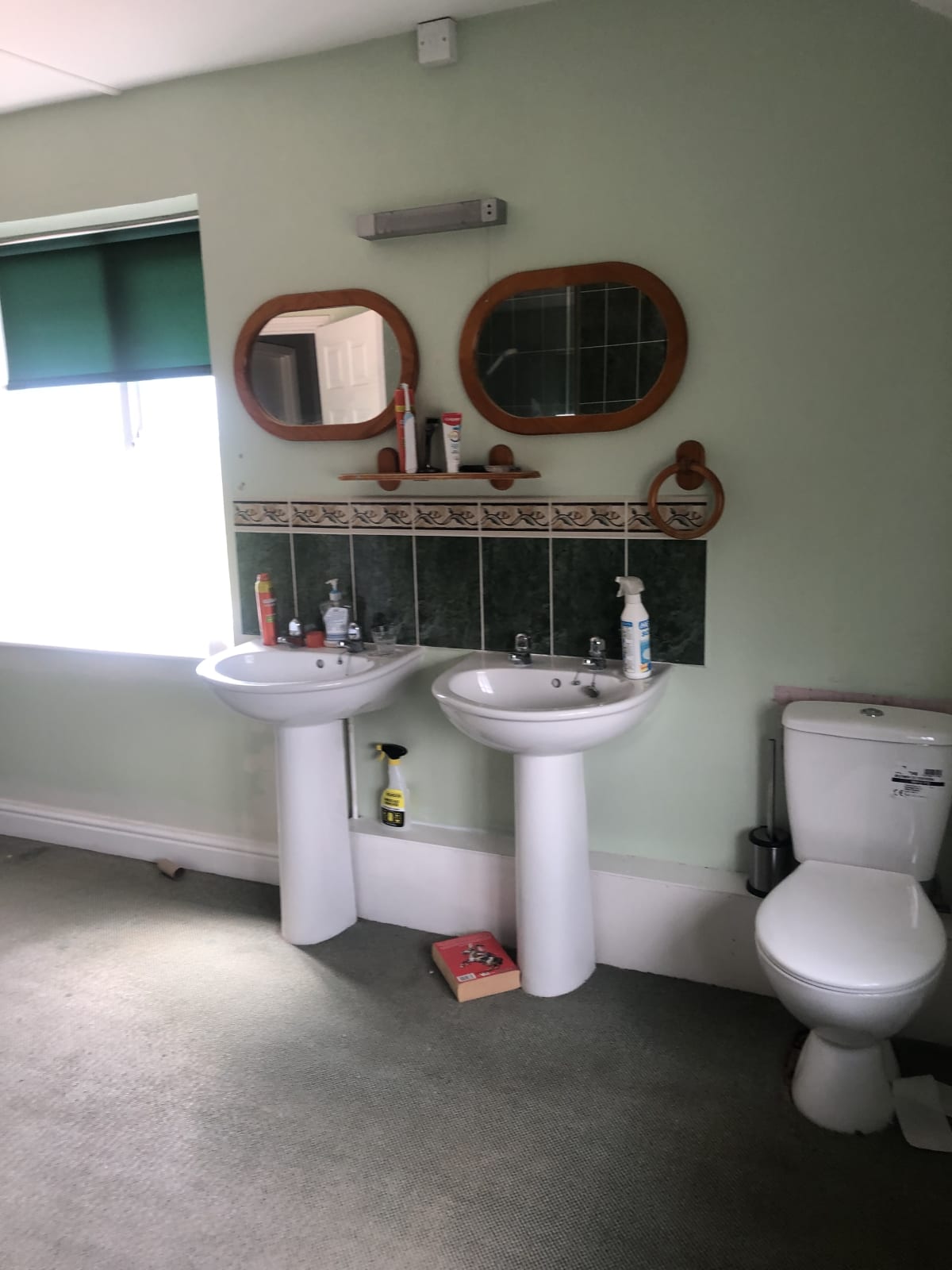
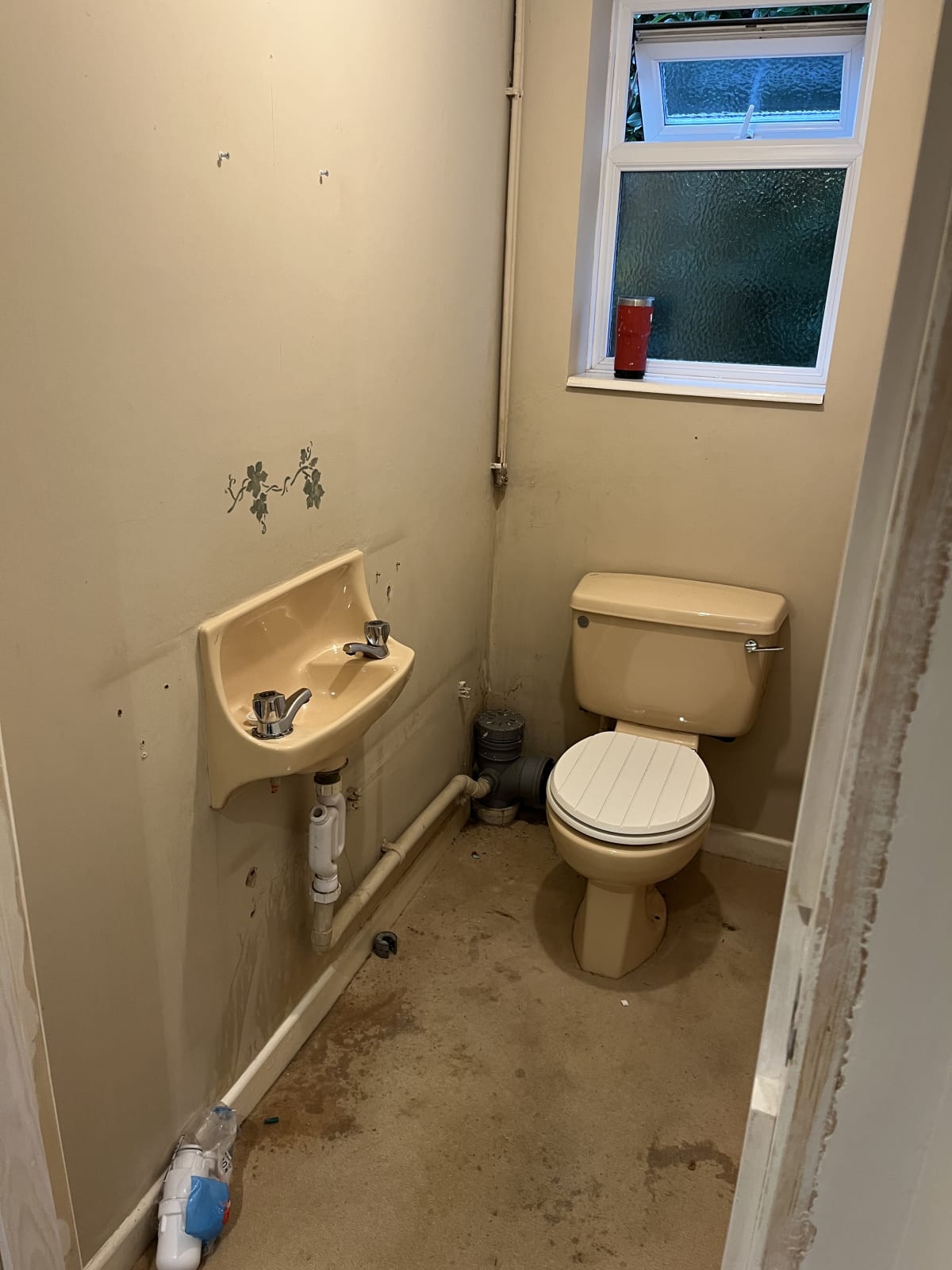
Real customer bathrooms
Bathroom installations from real customer projects, each showing the products used and the before-and-after.





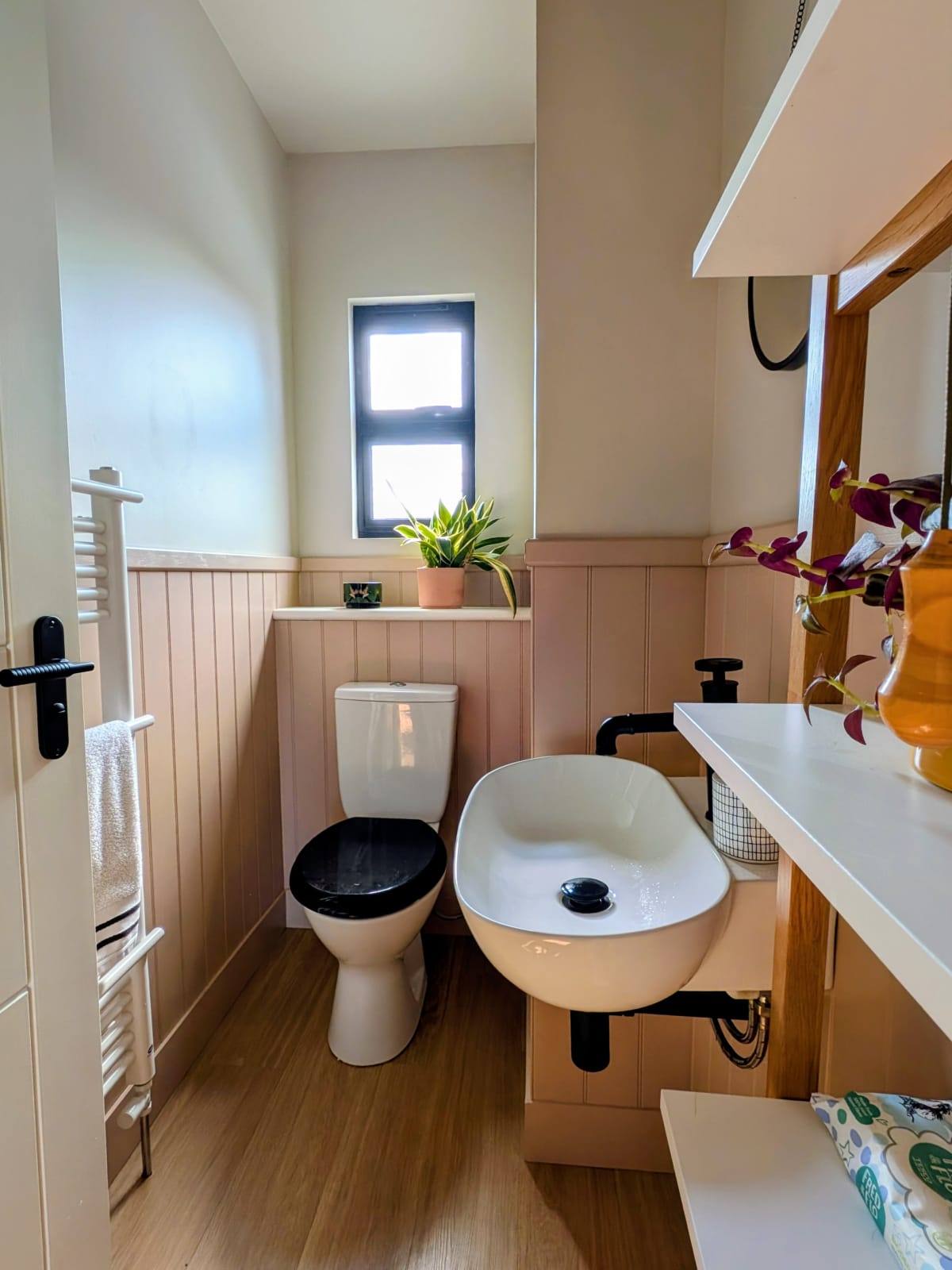
Panels vs tiles
Panels can be fitted directly over existing tiles in most cases, saving the cost and mess of removal. See our panels over tiles guide. For a deeper cost breakdown, see our wall panelling cost guide.
Frequently asked questions
Are bathroom wall panels a good idea?
Yes, for most bathrooms. PVC panels are fully waterproof, low-maintenance, and cheaper and faster to install than tiles. MDF panelling kits give the look of traditional joinery without the cost. The honest caveat: at the very top end, properly laid natural stone or large-format porcelain tiles still look better than printed PVC. For most British bathrooms that gap is small enough not to matter.
What type of wall panel is best for a bathroom?
It depends on where in the bathroom the wall is. Inside the shower and behind the bath, the right answer is fully waterproof PVC: 8mm for general walls, 10mm for shower walls. On dry walls (behind the WC, behind the basin, opposite the bath), MDF panelling kits work better because they paint properly and feel like joinery rather than cladding. Most bathrooms benefit from using both.
Is bathroom panelling outdated?
No. The styles change but the category does not go out of fashion. Tongue and groove and shaker panelling have been used in British bathrooms for over a century. Tile-effect PVC has been mainstream since the early 2000s. Slat and 3D panels are more recent and may date faster, so they are better used as accents than as the main treatment.
Is it cheaper to tile or panel a bathroom?
Panelling is cheaper in most cases, both in materials (modestly) and in labour (substantially). A bathroom panelled by a DIYer over a weekend produces a finish that would cost two to four times as much to achieve in tile by a tradesperson. The gap narrows at the high end, but panels are almost always the more economical route to an equivalent visual result.
What makes a bathroom look tacky?
Five common mistakes:
- Mixing too many panel materials in one room (PVC, MDF and tile all at once)
- Oversized 3D or heavily textured panels in a small bathroom
- Cheap pine trim under high-gloss PVC; the trim is what people see at close range
- Full black or very dark gloss in a bathroom with no natural light
- Mismatched panel-to-tile transitions where the lines do not align
Can you panel over existing tiles?
Usually, yes. Most PVC and MDF panels can be adhesive-fixed directly over sound, well-stuck tiles, saving the cost and disruption of removal. The conditions are that the tiles are not loose, the surface is clean and dry, and you allow for the extra thickness when ordering trims. See our panels over tiles guide for the full process.
Browse by panel type